



3D Printing
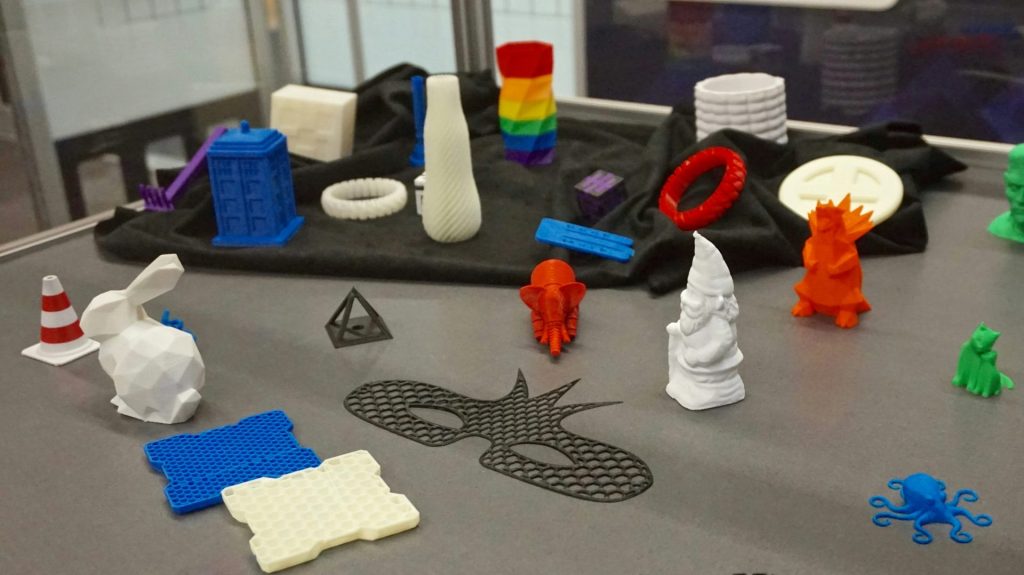
3D printing is an innovative solution for customers looking for precise, durable, and aesthetically pleasing three-dimensional objects. This technology makes it possible to create both simple functional components and complex models, prototypes, promotional gadgets, and customized products. Thanks to its versatile design capabilities and wide range of materials, 3D printing is used across many industries, from advertising and manufacturing to decoration and custom production.
Here are the key advantages of 3D printing:
- Precision and Detail: 3D printing enables the creation of objects with complex shapes, intricate geometries, and precise details, making it possible to bring even the most demanding projects to life.
- Durability and Functionality: Depending on the material used, 3D-printed objects can offer high mechanical strength, resistance to everyday wear, and properties tailored to specific applications.
- Wide Range of Applications: 3D printing technology can be used to produce prototypes, spare parts, structural components, enclosures, holders, figurines, decorative items, promotional products, and many other objects.
- Customization Options: Every design can be tailored to individual requirements by adjusting its shape, dimensions, color, and other parameters. This makes it possible to create unique products that meet each customer's expectations.
- Fast Production and Efficiency: 3D printing allows prototypes and small production runs to be manufactured quickly, reducing the need for expensive molds and traditional production tools.
- Material Efficiency: The 3D printing process involves building objects layer by layer, allowing materials to be used efficiently and reducing waste compared with many traditional manufacturing methods.
- Design Flexibility: This technology makes it possible to produce custom shapes and designs that may be difficult, time-consuming, or costly to manufacture using traditional methods.
Thanks to these advantages, 3D printing is a modern and versatile solution for both businesses and individual customers. Combining precision, design flexibility, and customization options makes it possible to create functional, attractive products tailored to specific needs, whether for industrial, advertising, or personal use.